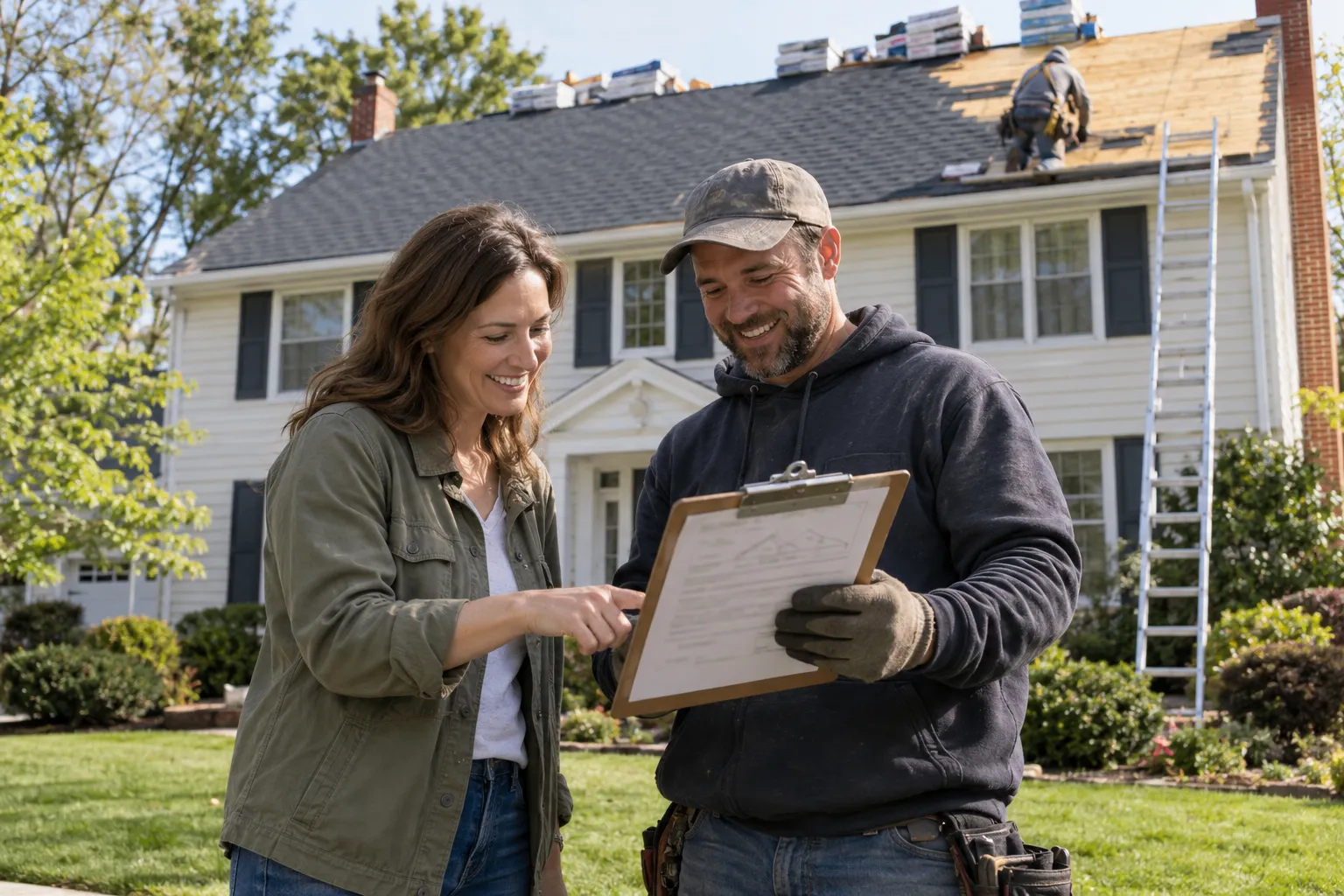
Roof Replacement: Costs, Quotes and Next Steps
Request an estimate from local providers
A new roof is one of the larger bills a homeowner faces, so it pays to slow down and learn the numbers first. Price depends on roof size, shape, material, the number of old layers and the condition of the wood underneath. Two quotes for the same house can look far apart if one leaves things out.
Transitionmix Roofing is a referral service. It connects you with independent local roofing providers in our network, and those providers do the work. Ask each one for a written quote, compare them line by line, and keep your photos and notes together. The ranges on this page are typical U.S. figures and vary by job. Your climate, your home style and your roof's shape all matter, so use the numbers as a starting point.
Is it time for a new roof?
Start here, because the answer shapes your budget. A patch costs less this month. A worn-out roof can cost more over several years. Check age, leaks and shingle condition before you ask anyone for a price.
Signs your roof is near the end
Age and wear
Asphalt shingles often last roughly 15 to 30 years, depending on the product and the weather. Humid summers and freeze-thaw winters wear them down faster.
Damage you can see
Look for curled, cracked or missing shingles. Watch for bald spots where granules washed off. Check the gutters for grit, and look along the ridge for sags.
Trouble inside the house
Brown ceiling stains, damp attic insulation and daylight through the boards all point to a roof that is failing.
When a storm forces the decision
Hail damage roof replacement is a common reason for a new roof after a rough storm. Some policies may cover sudden damage, so check your policy. Providers can often help document damage for a claim. Take photos before anything is moved. Small spots may only need repair, which is a different job with a different price.
Price the whole roof
Quote before commitment. A solid quote covers the entire job, not just the shingles.
What drives the price
- Roof size, counted in squares of 100 square feet
- Pitch and the number of stories
- Material you pick
- Layers of old roofing to remove
- Rotted decking found after tear-off
- Valleys, dormers, skylights and chimneys
- Disposal and permit fees
What a replacement usually includes
A typical job removes the old roofing and inspects the deck. Then come underlayment, an ice barrier along the eaves, flashing, new shingles or panels, vents and cleanup. Ask each item to be listed by name.
Choosing a roofing material
Asphalt shingles
This is the common pick. It costs less up front and suits most colonial and split-level homes.
Metal
Metal costs more at the start. It sheds snow well and can last decades.
Slate, tile and composite
These look great but are heavy. A provider may need to check your framing before quoting.
Tear-off vs. roof-over
A roof-over puts new shingles on top of old ones. It saves on labor and disposal. It also hides the deck, adds weight and may not be allowed by local code. A full tear-off costs more but lets a provider see and fix the wood underneath. Ask for both prices in writing.
Permits, timing and weather
Most towns require a permit for a full replacement. Ask who pulls it and whether the fee is in the quote. Dry, mild weather suits roofing work, and nor'easters can delay a job. Book early in busy seasons so you are not rushed into a weak quote.
Warranties, in plain words
There are two kinds. The manufacturer covers the materials. The provider covers the workmanship. Terms differ, so get both in writing and read what voids them. Transitionmix Roofing does not issue warranties. Providers set their own terms.
Paperwork first, shingles second
Before the first visit, gather photos of every slope, the attic and any stains. Write down dates of leaks and storms. Save old invoices and your policy number. Tidy records make estimates faster and insurance talks smoother.
Questions to ask before you hire
- Is the provider licensed and insured where you live?
- Does the quote list tear-off, decking, flashing and disposal?
- What happens if rotted wood is found?
- Who handles the permit?
- What are the workmanship terms?
- How are payments scheduled?
Compare local roofing contractors line by line
Put each written quote side by side. Match material brand, layers removed, underlayment and flashing. A lower total may simply leave out a step. Ask providers to explain gaps before you decide.
If water is coming in right now
Emergency roof repair is a separate need from a full replacement. Ask providers about temporary protection first, then plan the new roof calmly. Request a callback to check provider availability.
Ready to compare?
Storm damage repair or full replacement, the first step is the same: gather your records and ask for written quotes.
What's Included
Full tear-off
Old shingles and underlayment come off so the deck can be checked and fixed.
New underlayment
A fresh moisture barrier and ice shield go down before any new shingles or panels.
Flashing and vents
Edges, chimneys, valleys and vents get new metal and sealing to keep water out.
Cleanup and disposal
Old material is hauled away and nails are swept up, with the cost listed in writing.
Typical Roof Replacement Costs
These are typical U.S. ranges for a single-family home. Your price depends on size, pitch, material and what the deck needs. Always get a written quote that lists each item.
| Item | Typical range | Notes |
|---|---|---|
| Asphalt shingle roof | $5,500 – $12,000 | Common choice; varies with size and pitch |
| Metal roof | $10,000 – $25,000 | Higher start cost, long service life |
| Slate or tile roof | $15,000 – $40,000 | Heavy; framing may need a check |
| Tear-off and disposal | $1,000 – $3,000 | Rises with extra layers |
| Decking repair | $70 – $120 per sheet | Only if rot is found |
| Permit and inspection | $150 – $600 | Set by your town |
How It Works
Gather your records
Take photos of each slope and the attic, and jot down leak dates and storm events.
Request an estimate
Tell us about your roof and a local provider in our network will reach out.
Compare written quotes
Line up materials, tear-off, decking and warranty terms before you decide who to hire.
Choose and schedule
Pick your provider, confirm the permit and plan the work around the weather.
Why Call Transitionmix Roofing
Quotes you can compare
Independent providers send written quotes, so you can set them side by side and spot gaps.
Cost clarity
Plain-language guidance on what drives price helps you question numbers that seem off.
Organized records
Tips on photos and notes keep estimates and any claim conversation moving smoothly.
No pressure
Requesting an estimate carries no obligation, so you can take time before you choose.
Other Services
Need roof replacement in Baltimore?
Send a short request for an estimate, or write to contact@transitionmix.living. A provider in our network can follow up with next steps and a written quote.
No obligationRoof Replacement FAQ
How much does a roof replacement cost?
Typical U.S. prices run from about $5,500 to $12,000 for asphalt shingles on an average home. Metal, slate and tile cost more. Size, pitch and decking repairs change the total, so get a written quote.
Should I tear off old shingles or roof over them?
A tear-off lets a provider inspect and fix the deck, and it is usually the sounder choice. A roof-over costs less now but can hide problems and may not meet local code. Ask for both prices in writing.
Will insurance pay for a new roof?
Some policies may cover sudden damage, such as from hail, but not wear and age. Check your policy, and ask providers to help document damage for a claim.
Request a callback
Send a short request for an estimate, or write to contact@transitionmix.living. A provider in our network can follow up with next steps and a written quote.
No obligation